
Money and SafetyFor readers in Ohio
What an Extra $300 a Month Actually Changes
Not a fortune. Something better: breathing room. Here is what a modest side income can do inside a real household budget, in real numbers.

Local snapshot
Ohio is home to more than 898,000 businesses with no employees. Yours could be next.
U.S. Census Bureau, 2022
Want to see what actually fits you? Answer a few quick questions and get your free matches.
When people imagine earning from home, they often picture the big version: quitting the job, doubling the income, changing everything. That version makes for good ads. It also makes a lot of people decide the whole idea is not for them.
So let's talk about the small version instead. An extra $300 a month. Not life-changing on paper. But inside a real household budget, it can quietly change more than you would expect.
One honest note before the math: this is not a promise of what anyone will earn. Results vary widely, and many people start with less. It is a look at what a modest amount can do, because modest is where most people begin.
Why $300 is the right number to think about
It is small enough to be realistic for a few hours a week, and big enough to matter. Over a year, $300 a month adds up to $3,600. That is not a lottery win. It is something arguably more useful: a steady, predictable amount you can point at a specific problem.
It can build your safety net
Here is a number from the Federal Reserve's 2025 survey of American households: only 55 percent of adults have set aside enough to cover three months of expenses. And if a surprise $400 bill arrived tomorrow, 63 percent said they could cover it with cash or its equivalent. That means more than a third of adults could not, and 12 percent said they could not pay it by any means at all.
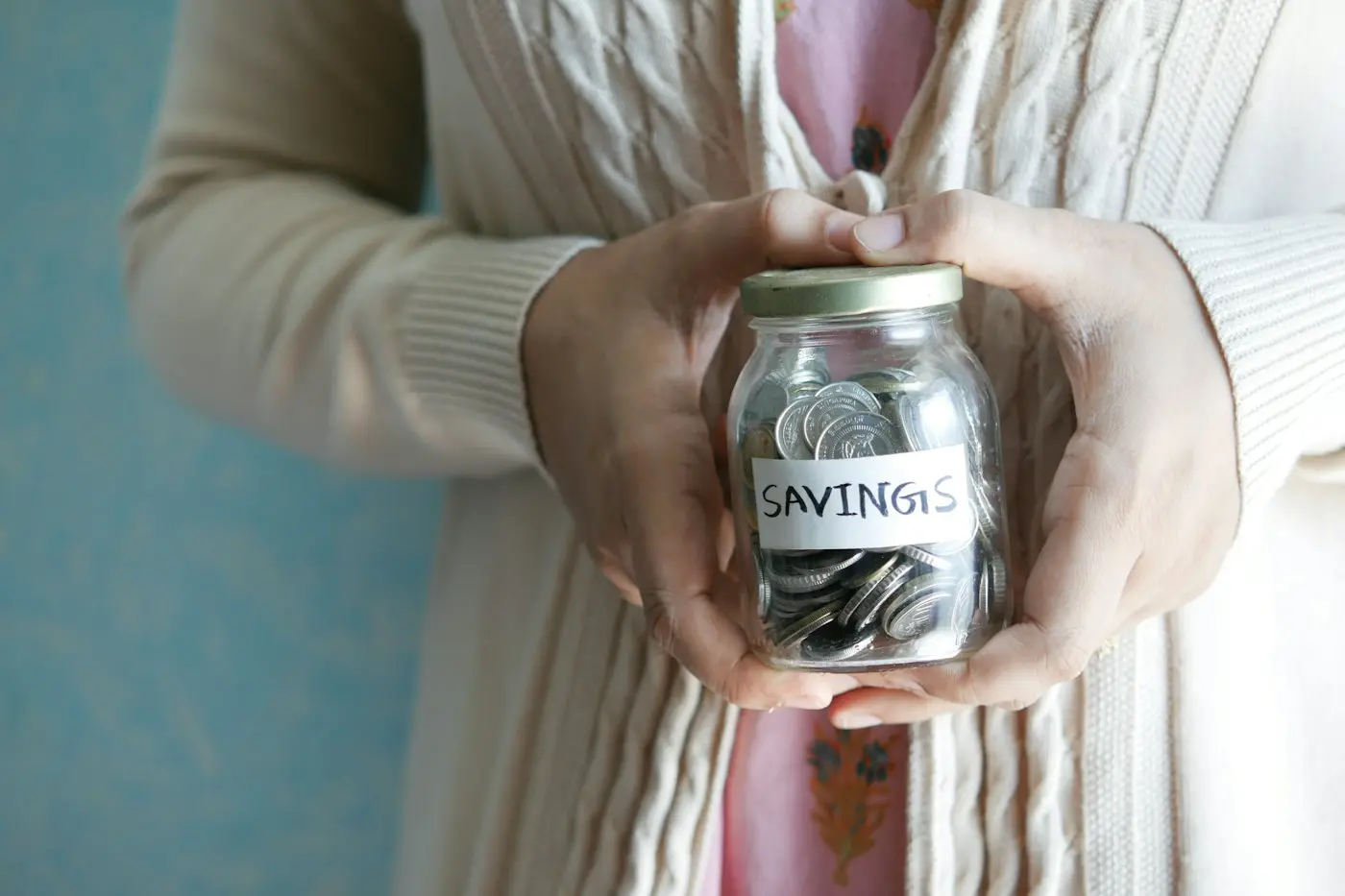
Now picture $300 a month going into a separate savings account. In six weeks, you have covered that $400 surprise. In six months, you have $1,800 between you and the next car repair or dental bill. The money matters. The feeling of not bracing for every envelope matters more.
A savings account called "Emergency fund" gets raided less often than one called "Savings." Money with a clear job tends to stay on that job.
It can shrink a credit card balance, fast
According to the Federal Reserve, the average interest rate on credit card accounts that are charged interest was 22.15 percent in the second quarter of 2026. At that rate, a $3,600 balance left alone costs roughly $800 a year just in interest.
Point an extra $300 a month at that same balance, and it would be paid off in about 14 months, with roughly $500 in interest along the way instead of a debt that keeps growing. After that, the $300 is free to go somewhere else. That is the quiet power of a steady amount: it compounds in your favor instead of against you.
It can take pressure off the grocery bill
The USDA's Thrifty Food Plan, its most budget-conscious estimate of what a family of four needs to eat well at home, came to about $1,024 a month in August 2026. An extra $300 would cover nearly 30 percent of that. For a lot of families, that is the difference between a tight month and a manageable one.
It can cover the bill you dread
Everyone has one. For many households it is car insurance, which averaged $1,993 a year in 2024, according to the Bureau of Labor Statistics. That works out to about $166 a month. An extra $300 would cover it entirely, with money left over, every single month.
Or it can simply buy calm
Not every dollar needs a spreadsheet. Some of it can go toward the thing that makes life feel less like a treadmill: the weekend trip, the kids' activity you kept saying no to, the dinner out without checking the balance first. Breathing room is a legitimate goal. For a lot of people, it is the whole point.
How people actually get there
Here is the honest part. In a 2025 national survey, the typical person with a side hustle earned about $200 a month. So for many people, $300 is a goal to work toward, not a starting point. That is completely fine. A realistic target you reach beats a big one you abandon.
Most people who get there do it the same way: a few protected hours a week, one opportunity that actually fits their life, and patience through the first slow months. Nothing flashy. Just consistent.
Finish this sentence
Before you close this page, try filling in the blank: "An extra $300 a month would go toward ____________."
Whatever you just wrote is your reason. Hold on to it. It will do more to keep you going than any amount of motivation.
When you are ready to find the kind of opportunity that could get you there, we can help. Answer a few quick questions about your schedule, your goal, and your experience, and see what fits. It is free, it takes about two minutes, and you are never obligated to anything.
Sources
- Federal Reserve, Economic Well-Being of U.S. Households in 2025
- Federal Reserve, G.19 Consumer Credit, second quarter 2026
- U.S. Department of Agriculture, Thrifty Food Plan, cost of food, August 2026
- Bureau of Labor Statistics, Consumer Expenditures, 2024
- National survey of 2,616 U.S. adults on side income, June 2025
A note on how we work. Home Income Search is a free matching service. We may be paid by the partner companies we match you with, never by you. Nothing here is a promise of income, and results vary with the opportunity, the market and the effort you put in.